Understanding How the Colon Provides Camouflage for Viral Persistence: Regulation of Microbiome-T Cell Interactions in the Intestinal Epithelium
The human intestine is known to be a unique environment for sustaining microbial growth. Commensal bacteria, or the microbiome, are essential for maintaining gut homeostasis and general health, while infections can occur in conjunction with microbiome disruption, or dysbiosis. Dysbiosis is linked with gut reservoirs of viral infections including HIV, norovirus, and importantly, SARS-CoV-2, which causes COVID-19.
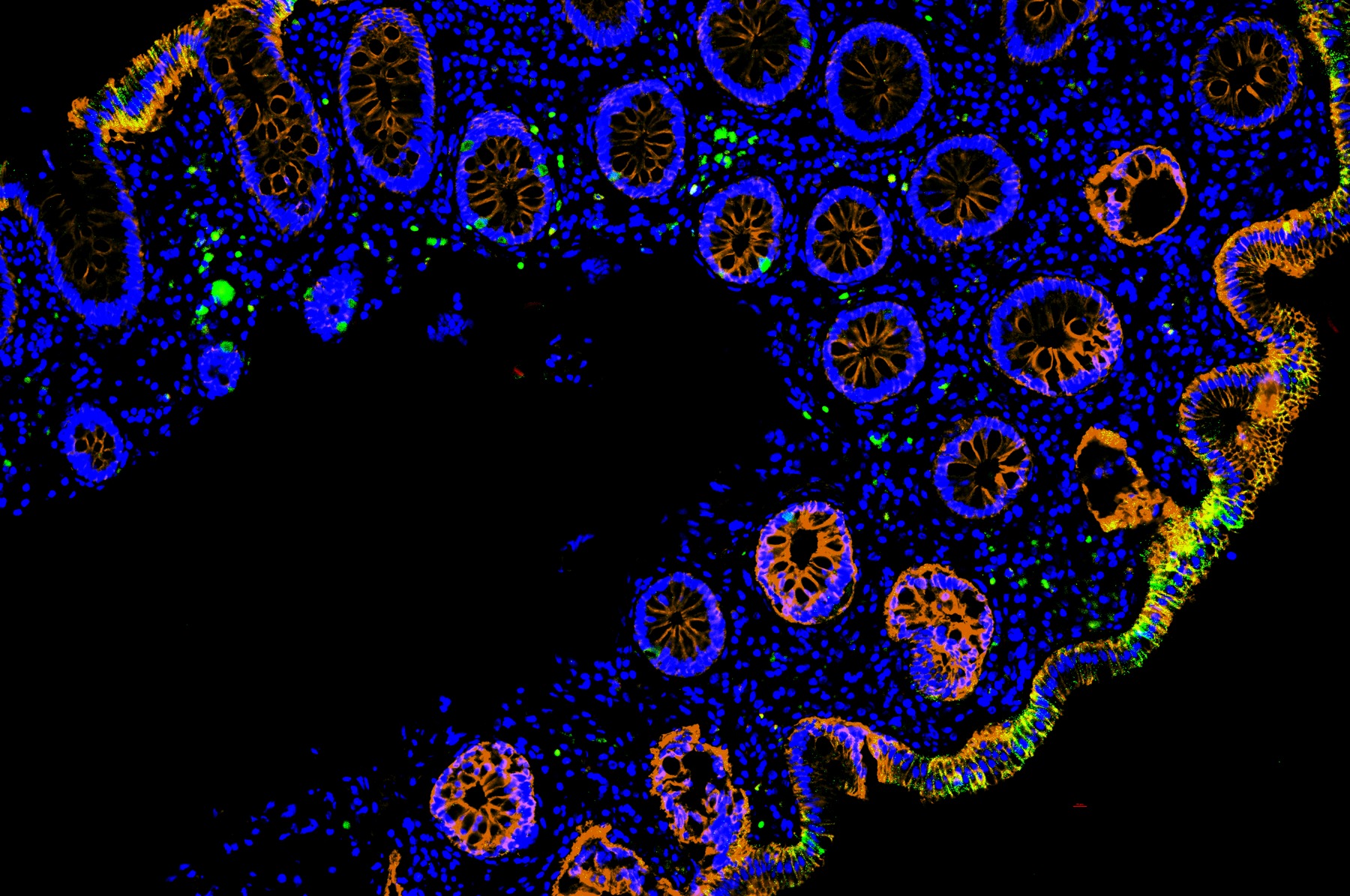
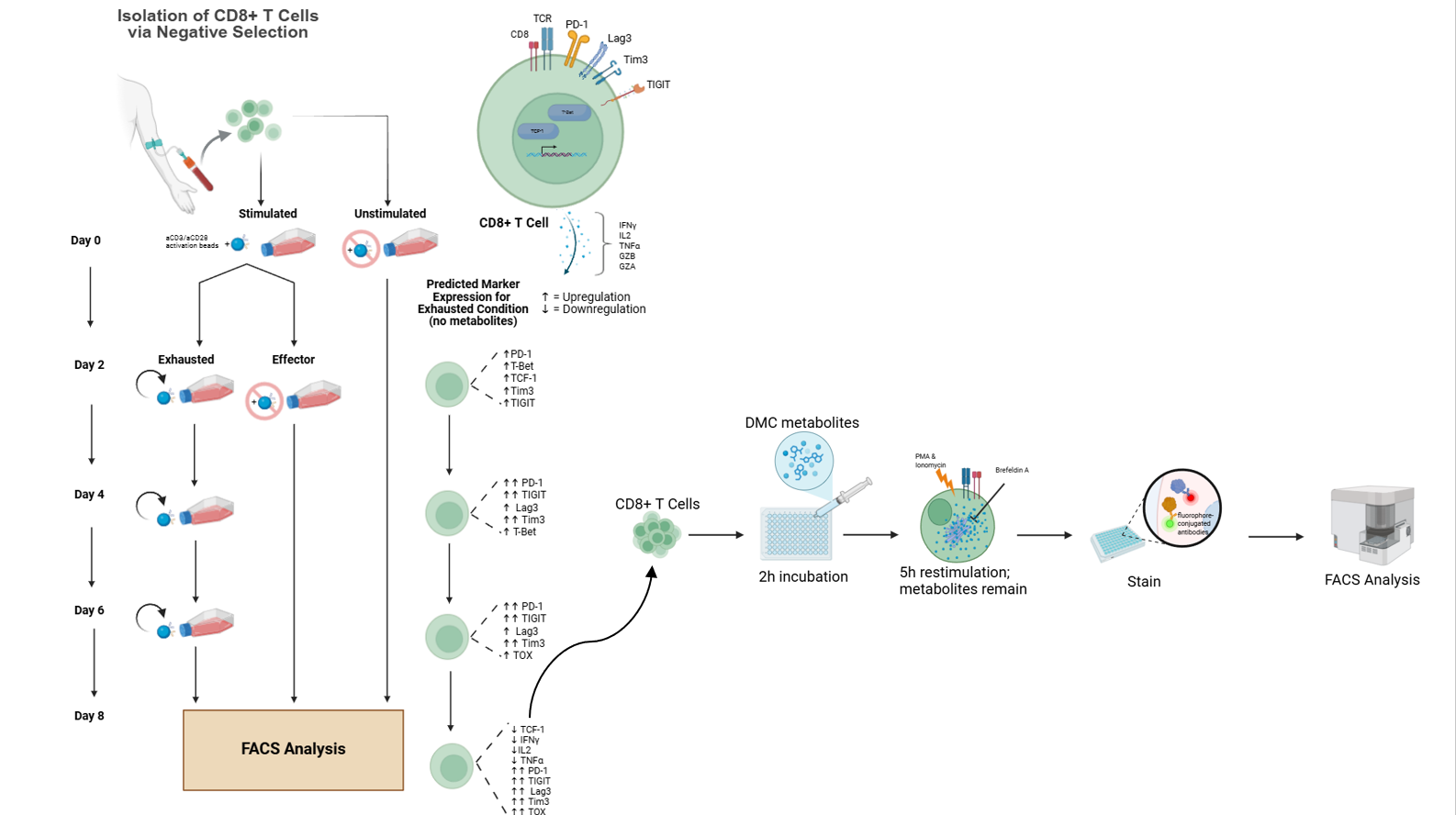
Though the pandemic phase of COVID-19 seems to have passed, debilitating effects can linger if there is viral persistence. We and others have found viral RNA and protein in the colon of patients with a prior history of COVID-19 within four years. Viral persistence is linked with a characteristic dysbiosis signature that shifts the bile acid composition of the lower gastrointestinal tract, promoting CD8 T-cell exhaustion.
- Aim 1 Determine whether patients with viral RNA in the colon have a prolonged, active infection.
- Aim 2 Determine whether the resulting bile acid signature promotes viral persistence in the gut epithelium.
- Aim 3 Define how bile acids regulate CD8 T-cell exhaustion.
- Aim 4 Determine how we might change the microbial metabolite environment of the T cell to reverse exhaustion and promote viral clearance.
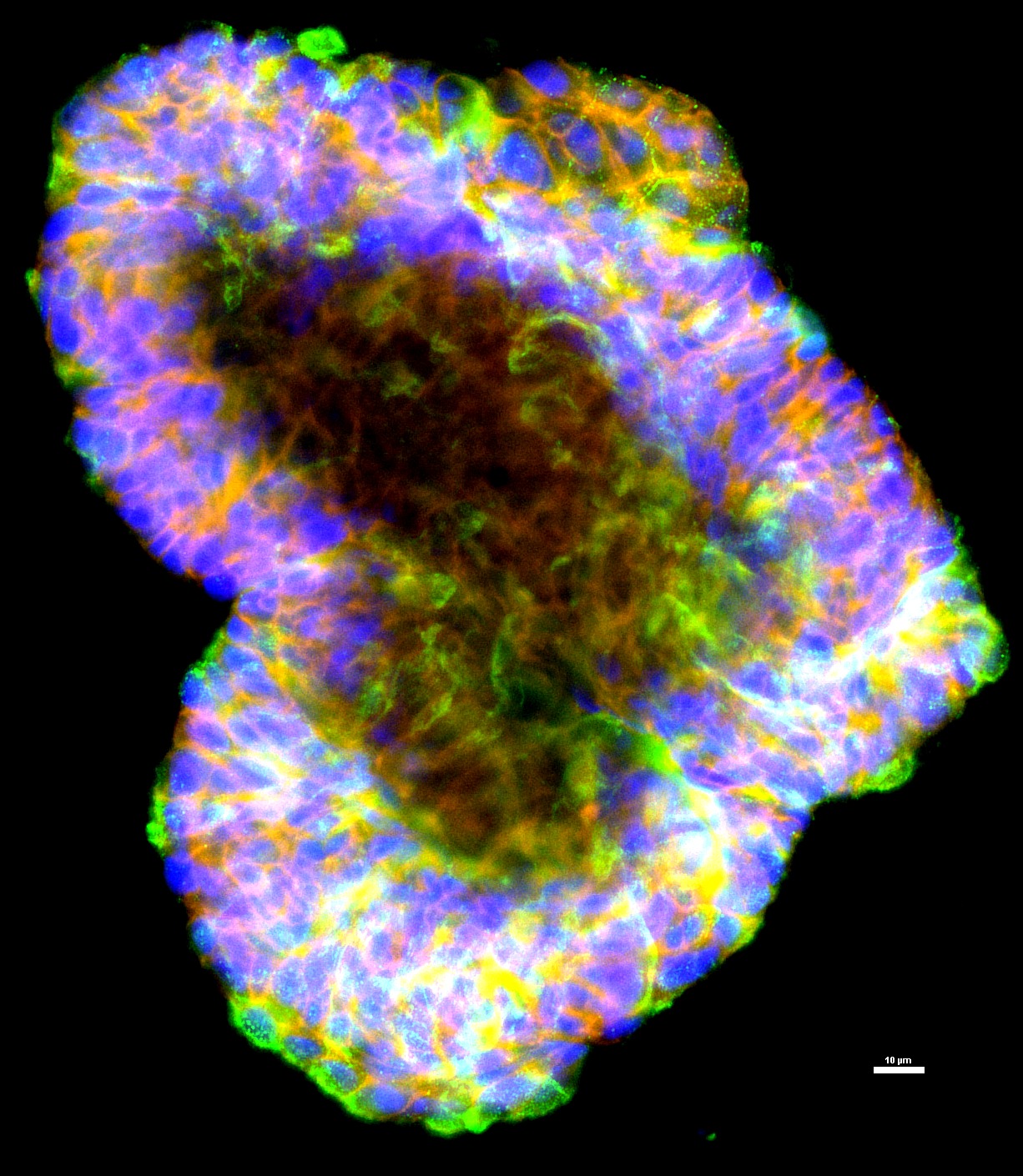
We study these questions using primary human tissues, including colon biopsies and peripheral blood mononuclear cells, as well as human colon organoid-autologous T-cell co-culture systems.